How to start a podcast for your startup
Start a podcast for your startup: pick a narrow show, record on a budget, publish to Apple Podcasts and Spotify, and plan episodes you can sustain.

To start a podcast for your startup, choose one narrow topic, record a trailer and three episodes before you publish, host the audio with a podcast host, and submit the feed to Apple Podcasts and Spotify. The gear is the easy part. Staying consistent is where most shows die.
Should your startup have a podcast at all?
Only if you can answer "who is this for?" in one sentence. A podcast works well when you already talk to a specific group: customers you interview, founders in your niche, developers who use your API. It works badly as a replacement for a product update.
Skip it if you cannot commit to at least ten episodes. A show with three episodes and a two-year gap tells listeners something about your company, and not the thing you wanted.
How do you pick a topic and format?
Pick the question your best customers keep asking. Then choose a format that is cheap to repeat:
- Interview show. You talk to practitioners. Easy to book, easy to promote, because guests share it.
- Solo explainer. One host, ten minutes, one idea. Best when you are the expert.
- Customer story. One customer, one problem, one outcome. Good for B2B.
We would start with interviews of 20 to 30 minutes. They teach you the market while you record.
What equipment do you really need?
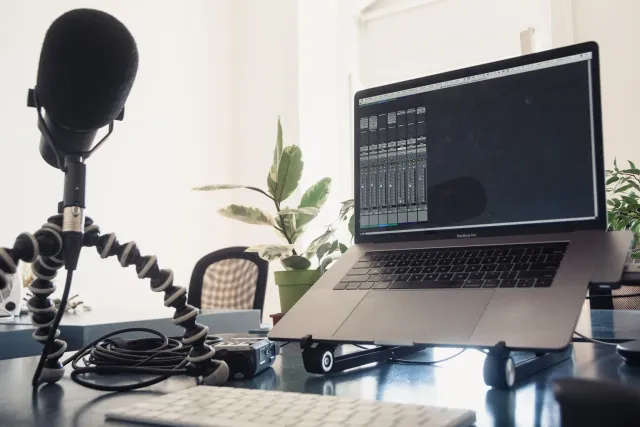
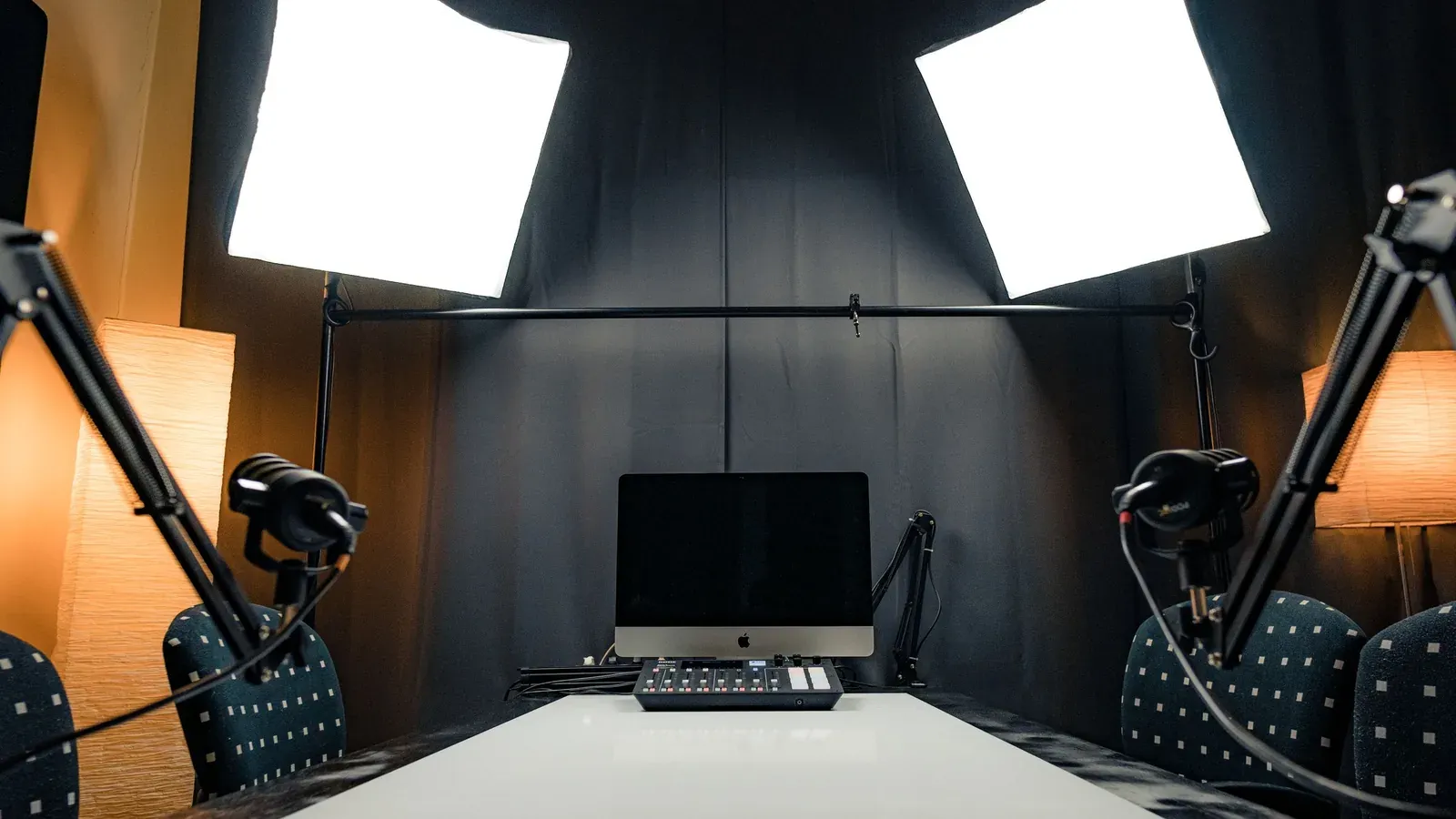
A USB or XLR dynamic microphone, headphones and a quiet room. A closet full of clothes beats a studio with echo. For remote guests, use a recording tool that saves each person's audio separately, and ask guests to wear headphones.
Record three episodes and a short trailer before launch. That gives new listeners something to binge and gives you a buffer.
Where do you publish a podcast?
You publish once, to a podcast host that creates an RSS feed, then submit that feed to the directories. Apple documents the process on Apple Podcasts for Creators, and Spotify has its own tool at Spotify for Creators. Submit to both, then add the feed to any other app your audience uses.
Give every episode its own web page on your site, with a clear title, a three-sentence summary and timestamps. That page is what search engines read. Check titles and descriptions with our free SEO tools.
How do you promote the show?
- Ask each guest for one post and one link to the episode.
- Cut a 30 to 60 second clip with the best quote and post it where your audience already is.
- Mention the show in your newsletter and product onboarding, not only on social.
- List the show in directories like Woodander Discover if it is part of your product story.
Do not promise yourself downloads. Track what you can control: episodes shipped, guests booked, and replies from listeners.
How do you make money from a podcast?
Most startups do not, at least at first. The value is leads, relationships and content. If your audience grows, sponsorship becomes an option, and you can compare or offer placements on Woodander Market.
FAQ
How long should a startup podcast episode be?
Long enough to cover one idea well. For interviews, 20 to 30 minutes is a good starting point. Cut anything that rambles.
How often should I publish?
Choose a rhythm you can keep for six months. Weekly is great if you can sustain it. Every two weeks is fine and far better than a burst followed by silence.
Do I need video?
No. Audio is enough. Recording video and cutting short clips is a cheap extra for promotion.
Can I use a free podcast host?
Yes, many hosts have free tiers. Check that you can export your feed, so you can move later without losing subscribers.
Browse more tools and shows in the Audio, Music & Podcasting hub. Your next step: write the one-sentence promise of your show, then book your first three guests.